Global Microbrand Watch Manufacturer

 Foksy Watches
  2026-08-13


Movement selection is often one of the earliest problems encountered in product development, and the comparison of Chinese vs Japanese movements is almost impossible to circumvent. Chinese movements are becoming increasingly mature in terms of cost control, supply chain flexibility and product selection, while Japanese movements have long attracted the attention of brand customers with stability, maturity and market recognition.
However, for B-end buyers, the real consideration when choosing a movement is: Who are the target consumers of your watch brand? How is the product positioning? What is the order size? Does the manufacturer have stable assembly and calibration capabilities?
So the more reasonable way to discuss Chinese vs Japanese movements is not to compare who wins and who loses, but to analyze which of these options suits your brand better.
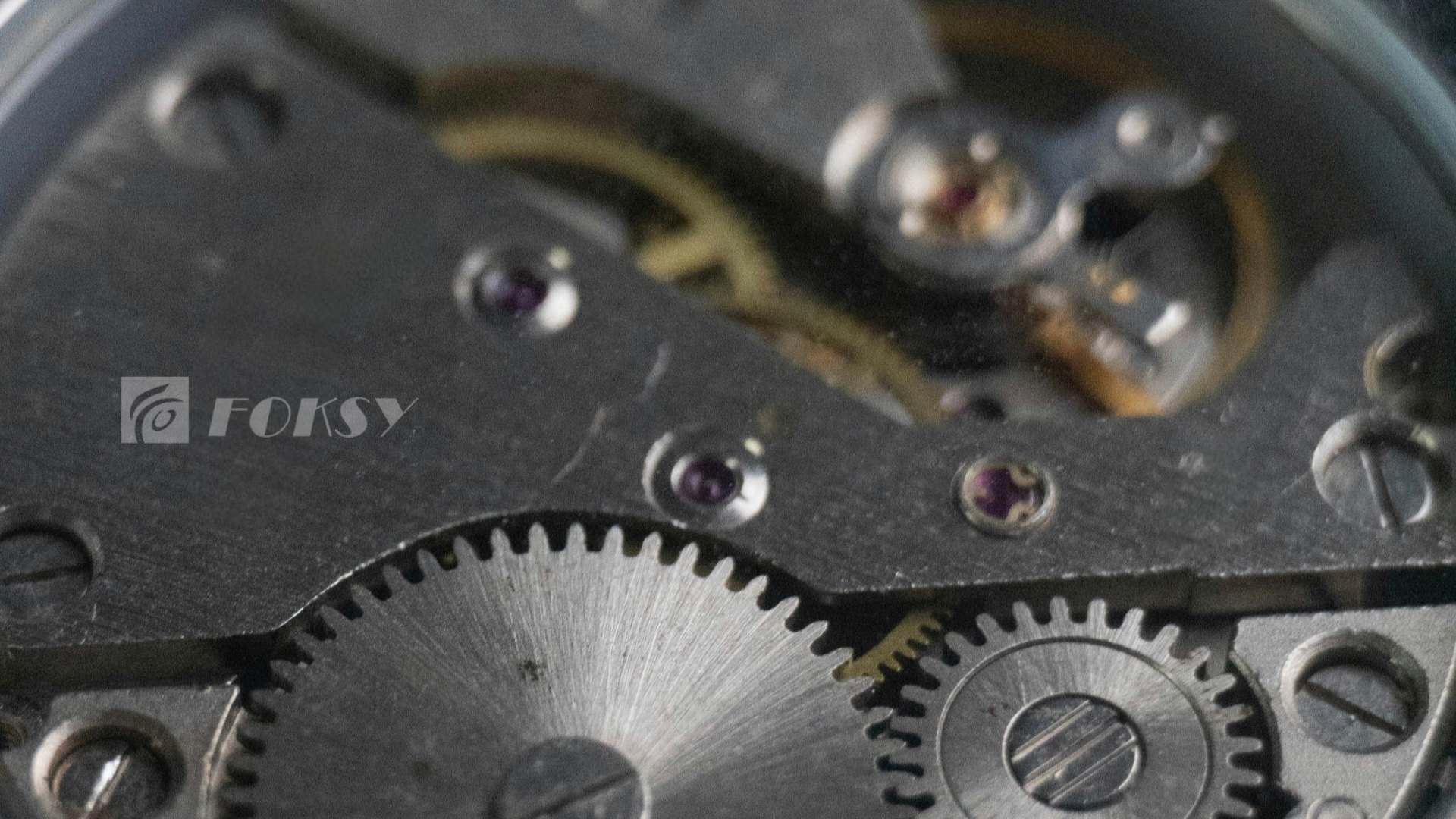
China has a complete watch industry chain, and most parts can be purchased and produced in a relatively centralized supply chain system. Therefore, Chinese movements usually have certain advantages in procurement costs and supply flexibility, which can provide more price ranges and product choices.
In contrast, Japanese movements usually have relatively mature market cognition, and many consumers are already familiar with the supply system of Japanese movements such as Miyota and Seiko. Therefore, when brands mark Japanese Movement in the product page, they can sometimes reduce the cost of consumers to understand the product.
Chinese movements are more suitable for projects that emphasize cost control, flexible development, and supply chain efficiency; Japanese movements are more suitable for brands that want to establish product positioning by leveraging the mature market recognition.
There is no absolute hierarchy between the two.
Whether it is a Chinese movement or a Japanese movement, there are different manufacturers, different models, and different quality grades.
Even if it is the same type of mechanical movement, there may be some individual differences, in the comparison of movement, brand buyers should pay more attention to the final quality of the watch, rather than only pay attention to the origin of the movement on the packaging.
The stability of a mechanical watch is also affected by many factors, such as:
• Whether the movement is screened before entering the factory;
• Whether dust or foreign objects are produced during assembly;
• Whether the hands are installed reasonably;
• Whether the case and movement structure match;
• Whether the automatic mechanical movement has undergone sufficient testing;
• Whether the assembled watch undergoes time testing;
• Whether the waterproof structure is stable;
• Whether QC standards are consistently maintained during batch production.
For mechanical watches, the movement itself is only a foundation, different movements in the case, but also need to be assembled, tested and even adjusted, if the manufacturer lacks mature technical personnel, even if the use of higher prices of the movement, it does not mean that the final product will be able to achieve expectations.
A mature Chinese mechanical movement can also meet the product needs of many mid-range brands.
Therefore, for the buyer of the B end, how the factory handles the individual differences of the movement is particularly important. Through the FOKSY watch manufacturing factory, the performance of the Chinese movement can achieve the same as that of the Japanese movement, while reducing the cost.
In quartz watches, many brands have long used Japanese quartz movements such as Miyota, and one of its advantages is that the product system is mature and has a high consumer recognition, and some models have a long market usage history. In recent years, Chinese quartz movements have also covered a wide range of different product requirements, especially suitable for price-sensitive projects, promotional watches, fashionable watches, and projects that need to control the overall production cost. If a brand plans to produce a product for many years, the long-term stable supply of the movement is very important.
For many independent mechanical watch brands, NH35, Miyota 8215 and similar Japanese mechanical movements are more common choices, for the brand ready to enter the mid-range mechanical watch market, this recognition can become part of the product marketing.
At the same time, Chinese mechanical movements also have a very rich product system. Besides the regular three-hand automatic mechanical movements, the Chinese supply chain can provide more product development options in terms of openwork, flywheel, complex display, multi-functional mechanical structure, and some special movements.
For brands emphasizing design sense, differentiation, or the desire to control the overall manufacturing cost, Chinese movements have practical value.
If your focus is consumer familiarity, Japanese movements may be easier to communicate. If your brand wants to use a more familiar movement model for consumers and present the movement itself as a marketing selling point, Japanese movements may be more suitable.
What truly determines whether the watch in the hands of consumers is stable is the result of the joint action of movement quality, structural design, assembly level, adjustment ability, and QC system.
FOKSY is from Shenzhen, China, and is a watch manufacturing factory that provides Private Label watch customization services to global brands. FOKSY helps customers evaluate more suitable movement solutions. Whether you plan to develop mechanical watches using Chinese movements, quartz movements, or want to use Japanese mechanical or quartz movements, FOKSY can complete watch design, movement matching, sample development, production assembly, and quality inspection according to different project needs.
If you already have design drawings, reference styles, target prices, or the movement to be used, you can contact FOKSY. Tell us your brand positioning and product needs, we can help you find a more suitable customized solution from Chinese movement, Japanese movement to the whole watch structure, and push the product from idea to real mass production.


Focus On Customize Watches
For Micro Brands
Room C201, Huafeng Wisdom Innovate Park, Gushu 2nd Road, Bao'an Dist, Shenzhen, China.