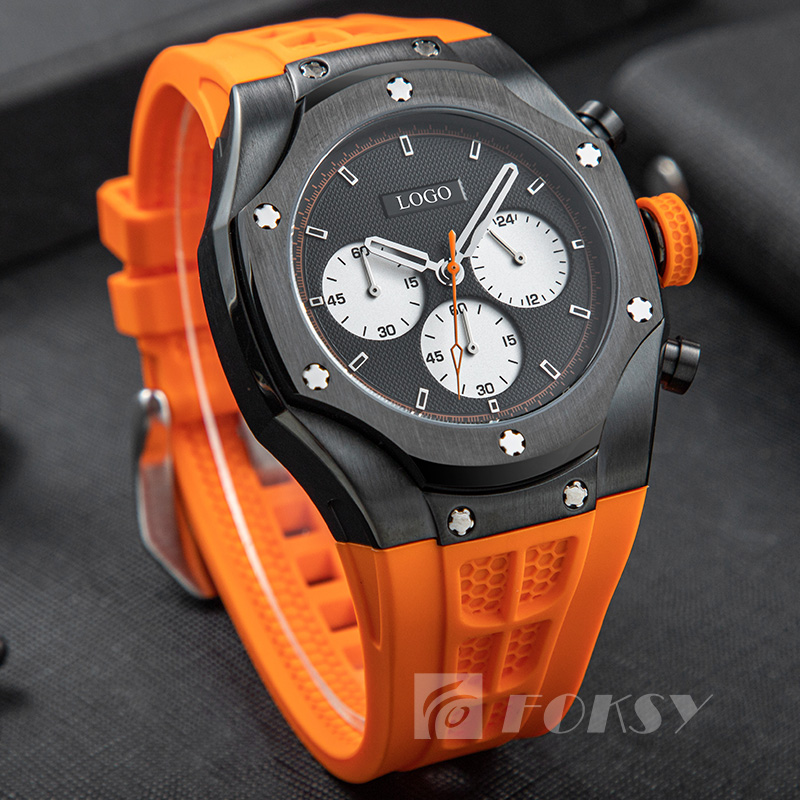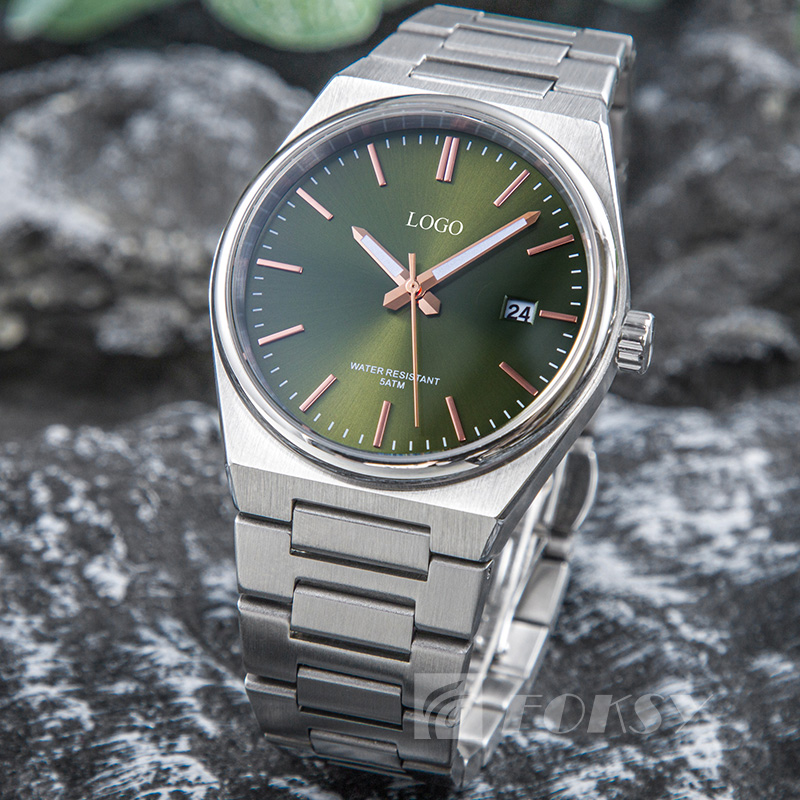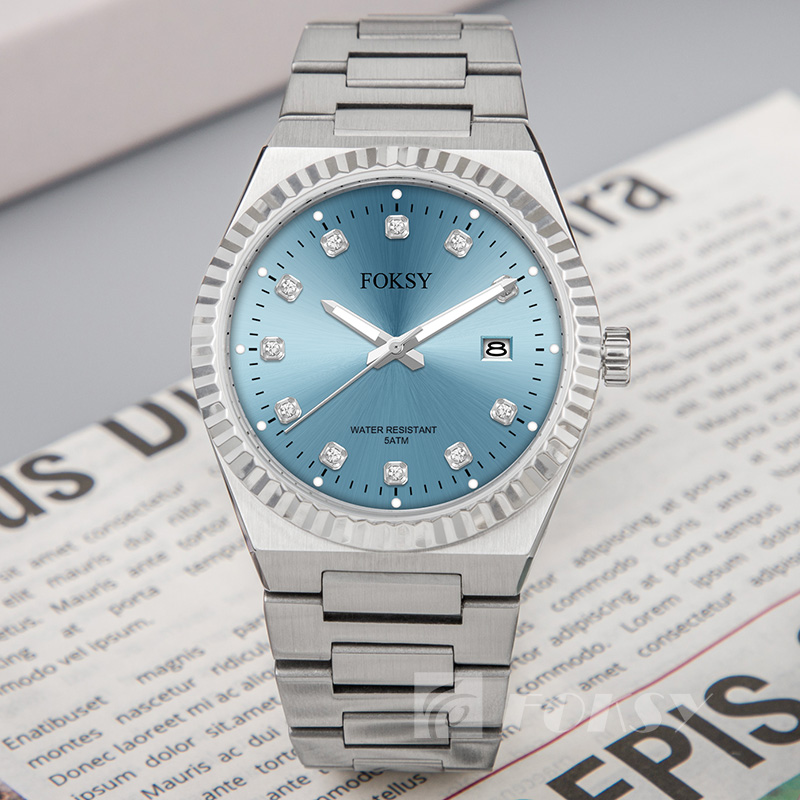
Global Microbrand Watch Manufacturer
 Foksy Watches
  2025-12-02


As micro-brands redefine the custom watch market with niche audiences and unique storytelling, what supply chain capabilities do they need to turn ideas into scalable, profitable custom watches—especially for B2B partners aiming to compete with established brands? The global micro-brand market for luxury goods has grown by 47% annually since 2020, with custom watches emerging as the fastest-growing category [1]. Unlike large brands with massive production volumes, micro-brands thrive on agility, authenticity, and personalized offerings—but their success hinges on supply chains that adapt to their unique constraints, not the other way around. Traditional supply chains, built for high MOQs and rigid production, often fail micro-brands, leaving them stuck between quality compromises and unsustainable costs. This article explores the rise of micro-brands, their distinct supply chain needs, and how specialized custom watch manufacturers deliver tailored solutions that empower B2B micro-brand growth.
Micro-brands—small, independent labels focused on niche markets, design innovation, and direct customer connections—are disrupting the custom watch industry for three key reasons:
Authentic Storytelling: 78% of consumers prefer micro-brands for custom watches because of their unique narratives (e.g., sustainable values, artisanal craftsmanship, cultural inspiration) [2], compared to generic offerings from large corporations.
Niche Market Focus: Micro-brands target underserved audiences (e.g., minimalist watch lovers, eco-conscious consumers, vintage-style enthusiasts) with custom watches that large brands overlook, driving 32% higher customer loyalty through hyper-relevant design.
Agile Adaptation: Micro-brands can pivot quickly to trends—e.g., launching limited-edition custom watches for cultural events or sustainability movements—without the bureaucratic delays of large organizations, keeping their custom watch lines fresh and in demand.This growth has made micro-brands a critical B2B segment, as retailers and distributors seek exclusive, high-margin custom watches that stand out in crowded markets.
Micro-brands face distinct challenges that traditional supply chains can’t address, making a tailored approach non-negotiable:
Low Production Volumes: Most micro-brands launch custom watch lines with 50–200 units per design, far below the 500+ MOQs required by traditional manufacturers [3]. This leaves them with few options beyond overcommitting capital or settling for low-quality production of their custom watches.
Cash Flow Constraints: Micro-brands have limited upfront capital, so they need supply chains that avoid high setup fees, deposits, or minimum order costs. 64% of micro-brands cite "affordable small-batch production for custom watches" as their top supply chain priority [4].Design Agility: Micro-brands iterate frequently—tweaking dials, materials, or features based on customer feedback—but traditional supply chains require long lead times for design changes, slowing time-to-market for their custom watch lines.
Quality & Compliance Demands: Despite small volumes, micro-brands’ customers expect luxury-level quality (e.g., Swiss movements, durable plating) and global compliance (REACH, EPA) for custom watches. Supply chains that cut corners on quality or skip certifications risk damaging micro-brands’ reputations.
Transparent Logistics: Micro-brands rely on direct customer trust, so they need visibility into production timelines, shipping, and materials for their custom watches. 59% of micro-brand customers cite "supply chain transparency" as a key purchase driver for custom watches [5].
To overcome these pain points, micro-brands need supply chains built for flexibility, collaboration, and cost-effectiveness—with five non-negotiable features to support their custom watch offerings:
Ultra-Low MOQs: No more than 30–50 units per custom watch design, enabling micro-brands to test markets without overstocking or tying up capital in unsold custom watches.
Flexible Production: Ability to adjust designs (e.g., material swaps, engraving additions) mid-production and accommodate rush orders for limited-edition custom watches, keeping pace with trend cycles.Collaborative Design Support: In-house design teams that partner with micro-brands to refine concepts, select materials, and ensure manufacturability for custom watches—no need for micro-brands to hire external designers or invest in design software.
Transparent, Predictable Logistics: Real-time tracking, fixed lead times (4–6 weeks), and no hidden fees for custom watches, helping micro-brands manage cash flow and set clear customer expectations.Cost-Effective Luxury: Access to premium components (e.g., Swiss movements, recycled materials) at competitive prices for custom watches, ensuring micro-brands can price their custom watches profitably without sacrificing quality or exclusivity.
Specialized custom watch manufacturers have engineered supply chains specifically to address micro-brands’ unique needs, turning their constraints into competitive advantages for custom watch production:
Industry-Leading Low MOQ: These manufacturers offer a 30-unit MOQ for custom watches, the lowest in the luxury custom watch sector. This lets micro-brands launch test batches, validate demand, and scale only when ready—eliminating capital risk for their custom watch lines.
Flexible, Agile Production: Advanced smart manufacturing setups allow design adjustments up to 48 hours into production, and rush orders for limited-edition custom watches (2–3 week lead times) for time-sensitive trends or events. This agility keeps micro-brands’ custom watches relevant and in demand.
Collaborative Design Partnership: Dedicated in-house design teams provide end-to-end support—from concept sketches to 3D renderings—at no extra cost for custom watches. Micro-brands can co-create custom watches tailored to their niche, with expertise in luxury aesthetics, sustainability, and market trends.
Transparent, Fixed-Cost Logistics: Specialized client portals offer real-time production tracking, fixed pricing (no hidden fees), and predictable 4–6 week lead times for custom watches. Micro-brands receive detailed invoices and compliance certificates, simplifying accounting and customer communication about their custom watches.
Cost-Effective Luxury Components: These manufacturers leverage bulk component sourcing and efficient manufacturing to offer Swiss movements, eco-friendly plating, and recycled materials at 25% lower costs than traditional suppliers for custom watches. This lets micro-brands price their custom watches competitively while maintaining 40–50% profit margins.
Terra Time, a micro-brand focused on sustainable custom watches, partnered with a specialized custom watch manufacturer in 2024 to launch its debut line of eco-conscious custom watches:
Challenge: Terra Time had a $15,000 budget, wanted 50-unit batches of two custom watch designs (recycled steel cases, ocean-plastic straps), and needed design support to refine its minimalist aesthetic for custom watches.
The Solution: 30-unit MOQ (allowing Terra Time to test both designs within budget), complimentary design iterations for custom watches, eco-certified materials, and transparent production tracking for each custom watch batch.
Results: The custom watch line sold out in 6 weeks, with 63% of customers citing "unique sustainable design" as their top purchase driver for the custom watches. Terra Time scaled to 150-unit batches within 3 months, with revenue growing by 189% year-over-year [2]. The micro-brand expanded to 3 new custom watch designs, all supported by the manufacturer’s flexible supply chain for custom watches.
To maximize success with a tailored supply chain, micro-brands should adopt these B2B-focused strategies for their custom watch offerings:
Prioritize Low MOQ + Design Support: Choose suppliers that offer both, as design expertise reduces time-to-market for custom watches and low MOQs protect cash flow.
Align on Sustainability & Compliance: Partner with suppliers that share your values (e.g., eco-friendly materials) and provide certification documentation for custom watches—critical for marketing custom watches to niche, values-driven audiences.
Leverage Flexible Production for Limited Editions: Use rush order capabilities to launch seasonal or event-based custom watches (e.g., holiday editions, cultural collaborations) that drive urgency and sales for custom watches.
Build a Long-Term Partnership: A supply chain partner that understands your brand can offer exclusive perks (e.g., priority production, custom material access) for custom watches as you grow your B2B presence.
As a micro-brand (your B2B business), you’re fighting an uphill battle: you need to deliver custom watches that rival large brands in quality and uniqueness, but you lack their production volume, cash reserves, and design resources. Traditional suppliers force you to choose between overcommitting to high MOQs for custom watches, settling for generic designs that fail to stand out, or paying exorbitant fees for customization—all of which stifle growth. Tailored supply chains are built specifically for you and your custom watch offerings: their 30-unit MOQ lets you test and scale without financial risk, their in-house design teams turn your vision into market-ready custom watches without extra costs, and their cost-effective premium materials ensure you can compete on quality while maintaining healthy margins for your B2B custom watch sales. Unlike suppliers that treat micro-brands as afterthoughts, these suppliers see you as partners—offering flexible terms, transparent communication, and the agility to pivot with your brand’s evolving custom watch needs. 87% of micro-brand partners report that such tailored supply chains were critical to their launch and growth, with 68% expanding their custom watch lines by 3+ designs within a year [3]. For micro-brands aiming to turn niche ideas into thriving B2B businesses, these tailored supply chains aren’t just suppliers—they’re the supply chain foundation that turns your custom watch ambition into sustainable success.
Foksy, a custom watch manufacturer, offers B2B solutions—including ODM with a 50-pc low MOQ, flexible customization, quality assurance, and scalable support—empowering partners to turn niche demands into market success.
[1] Global Micro-Brand Report (2025). "Growth Trends and Consumer Preferences in Independent Luxury Custom Goods, with a Focus on Custom Watches."
[2] Micro-Brand Partnership Case Study (2025). "Terra Time: Sustainable Custom Watch Line Growth, ROI, and B2B Expansion."
[3] Niche Luxury Retail Report (2025). "Success Factors for Micro-Brands: Supply Chain Agility, Design Collaboration, and Custom Watch Scalability."
[4] B2B Custom Manufacturing Survey (2024). "Supply Chain Pain Points and Priorities for Micro-Brands in the Custom Watch Industry."
[5] Luxury Micro-Brand Supply Chain Study (2025). "Critical Capabilities for Supporting Niche Custom Watch Brands’ Logistics and Transparency Needs."


Focus On Customize Watches
For Micro Brands
Room C201, Huafeng Wisdom Innovate Park, Gushu 2nd Road, Bao'an Dist, Shenzhen, China.