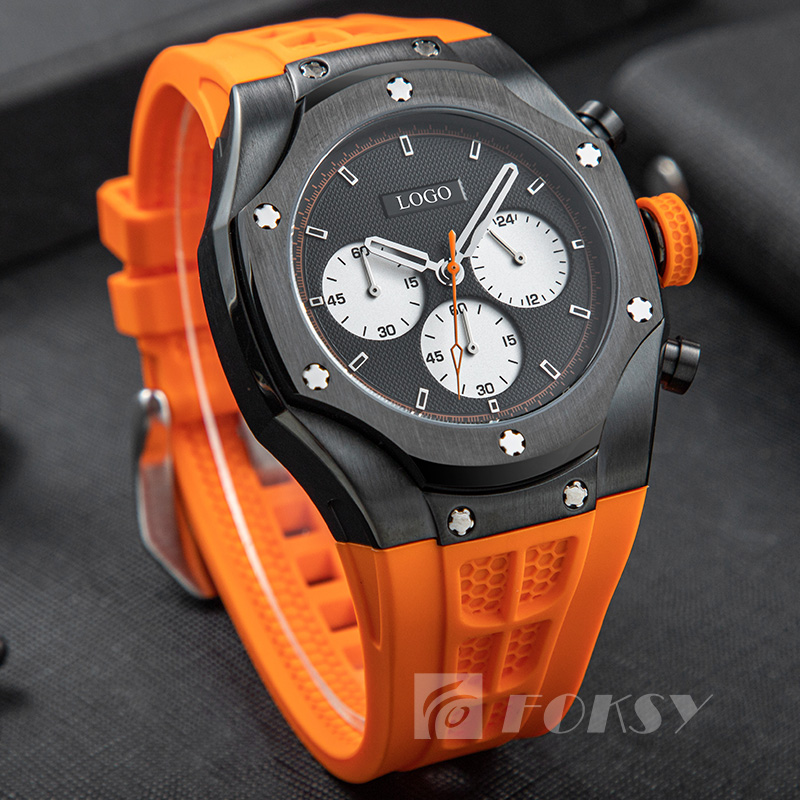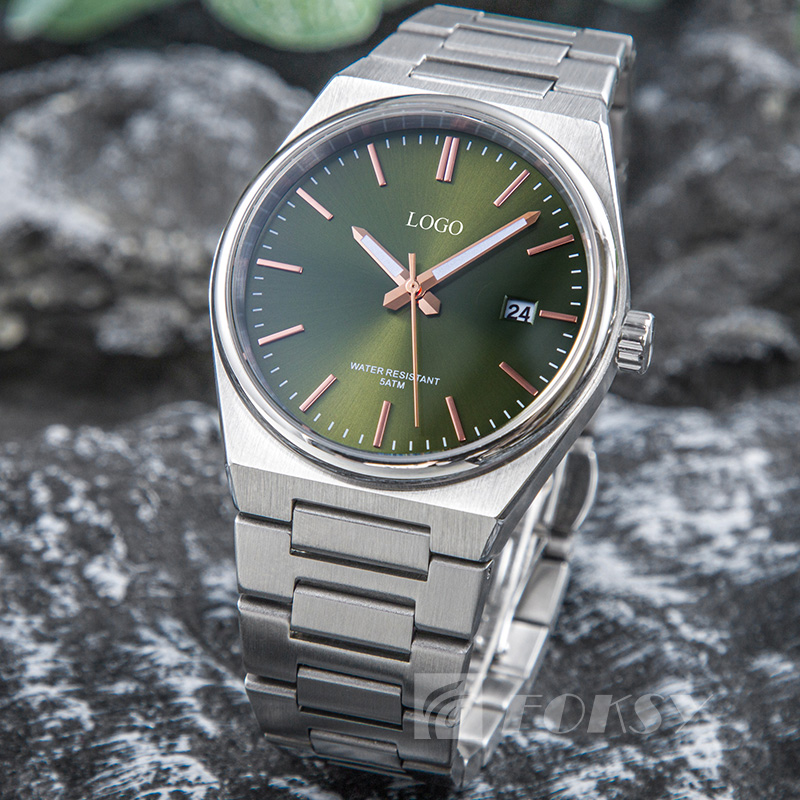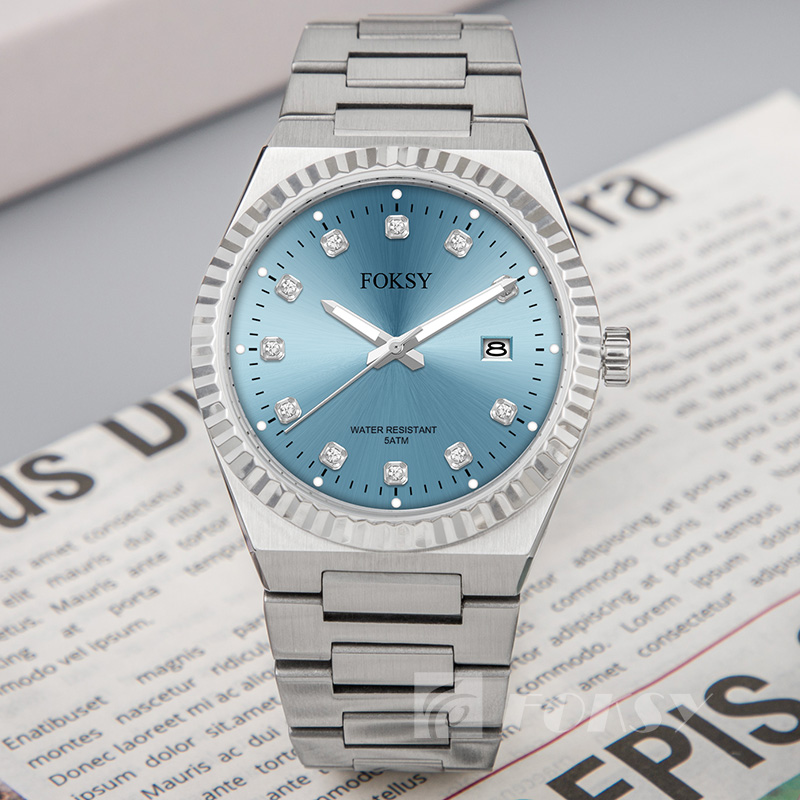





The global watch industry's story is being rewritten.
Valued at $89.54 billion in 2026, the market is increasingly driven by watches as personal style statements, not just timekeepers. A significant opportunity lies in the $150-$600 segment, where demand for distinctive design and brand story is growing rapidly, creating space for independent brands.
At the same time, the market structure is undergoing subtle changes.
The report highlights that within the price range of $150 to $600, consumer demand for products with differentiated designs, a sense of exclusivity, and a strong brand narrative is growing at an annual rate of over 10%. This has opened up a vast blue ocean for independent designer brands and emerging online brands, especially given that e-commerce already accounts for over 40% of global watch sales.
However, bringing a unique design to life faces a major hurdle: traditional manufacturing.
High minimum order quantities and rigid processes are often incompatible with the agile, test-and-learn approach essential for modern DTC brands.
This disconnect is redefining the supplier relationship.
For today's brands, the ideal partner is a co-creator, not just a contractor. This requires:
- Market-Infused Insight: A deep understanding of regional aesthetics, bridging the appreciation for classical mechanics in Europe with the preference for fashion-forward quartz in North America.
- Agile, Low-Risk Access: Offering feasible low MOQs allows brands to launch, iterate, and grow without prohibitive upfront cost or inventory risk.
- Engineered Creativity: The ability to translate bold designs into wearable, high-quality products through professional material and engineering guidance.
A long-term focus on these principles defines the approach of specialists like FOKSY.
For instance, their collaboration with designers often involves solving precise engineering challenges to realize a creative vision without compromising wearability, all within timelines that match the fast pace of digital brand building.
Looking forward, the competitive edge in watchmaking will belong to those who build the most responsive ecosystem. The synergy between creative brands and flexible, expert supply chains is what will turn the next wave of "wristwear fashion" from concept into commercial reality.