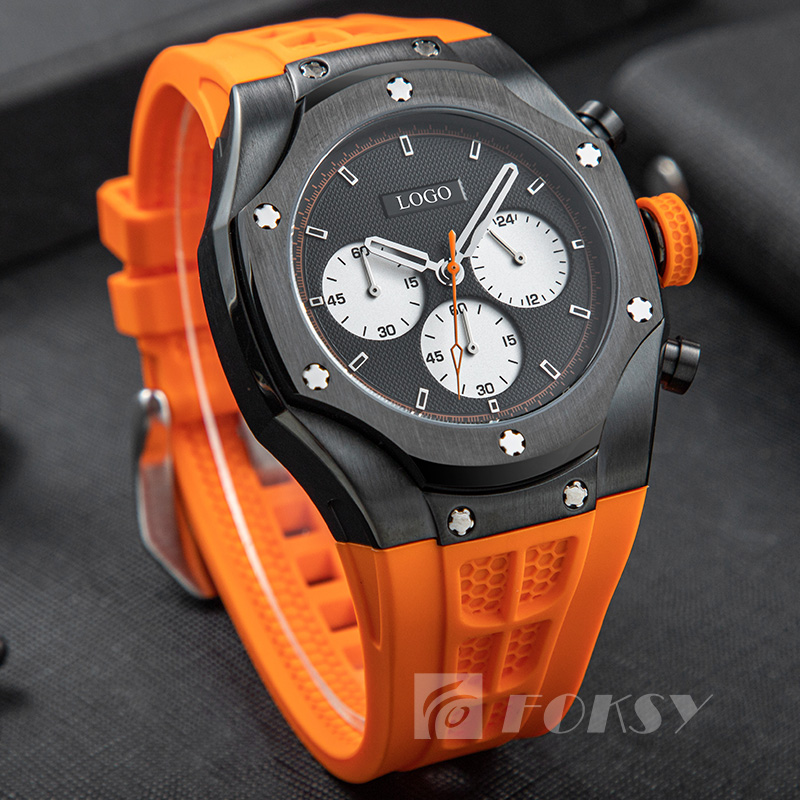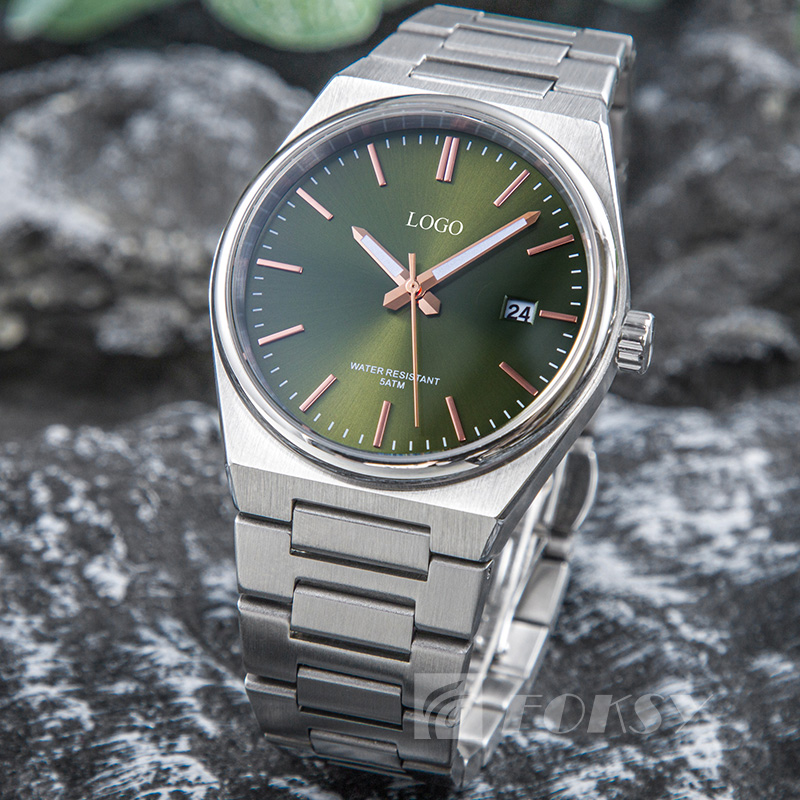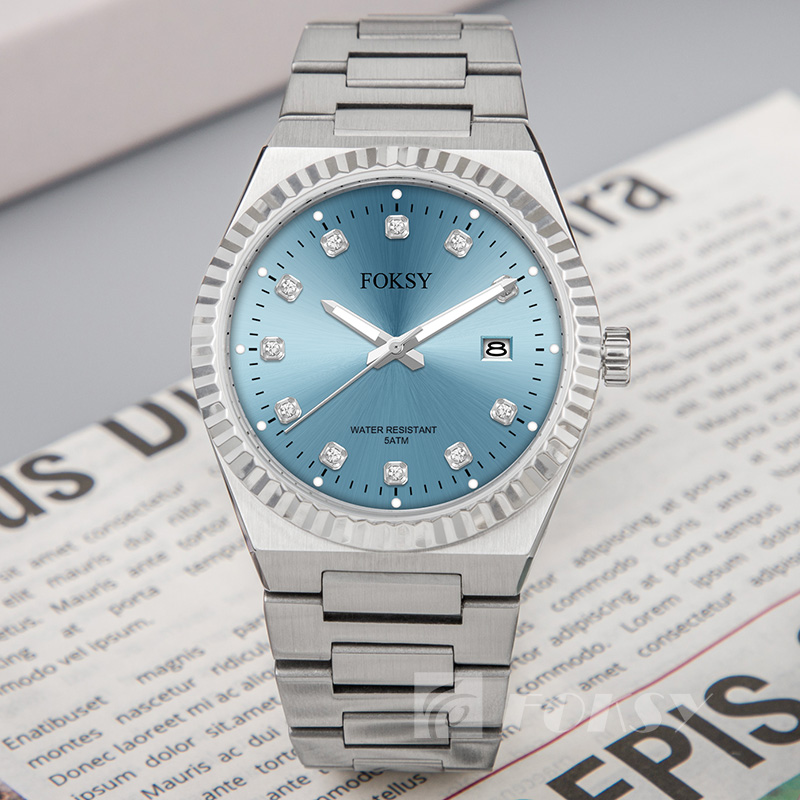
Global Microbrand Watch Manufacturer

 Foksy Watches
  2025-12-01


As custom watches gain popularity among consumers seeking uniqueness, does the industry need stricter certification to resolve quality inconsistencies, build lasting trust, and support B2B retailers navigating a fragmented market? The global custom watch sector is projected to reach $28 billion by 2028 [1], but its rapid expansion has exposed a critical flaw: unlike traditional luxury watchmaking—regulated by bodies like the Swiss Confederation of Watchmaking (COSC)—custom watchmaking lacks universal standards for craftsmanship, material authenticity, and transparency. This gap leaves B2B retailers and consumers grappling with unsubstantiated claims (e.g., "genuine Swiss movement," "100% recycled steel") and variable quality, fueling a heated debate. Proponents argue stricter certification would legitimize custom watches as a premium category, while critics warn it could stifle the flexibility that defines customization. This article explores both sides of the debate, outlines what effective certification should entail, and how B2B-focused custom watch manufacturers support partners with certified, reliable custom watches.
The push for stricter certification in custom watchmaking stems from three interconnected challenges reshaping the B2B landscape:
Eroding Consumer Trust: 64% of luxury watch buyers doubt the accuracy of claims made by custom watch brands (e.g., material quality, movement origin) [2], leading to higher return rates and reduced B2B sales conversions. Without certification, retailers struggle to verify supplier claims, putting their brand reputation at risk every time they stock a custom watch.
Market Fragmentation: The custom watch market is flooded with small-scale suppliers and micro-brands, many lacking standardized quality control. This fragmentation makes it difficult for B2B retailers to identify reliable partners, leading to inconsistent inventory quality, delayed shipments, and frustrated customers seeking consistent custom watch experiences.
Regulatory Compliance Pressure: Global regulations (e.g., EU REACH, U.S. FTC Green Guides) require transparency around materials and manufacturing. Without certification, B2B retailers face legal risks if their custom watches fail to meet these standards—especially for claims like "sustainable" or "hypoallergenic," which are increasingly central to custom watch marketing.
Proponents of stricter certification argue it would address industry flaws while creating tangible value for B2B retailers and consumers:
Strengthened Consumer Confidence: Certified custom watches would give buyers tangible proof of quality, reducing skepticism and increasing purchase intent. B2B retailers report that certified products drive 35% higher customer trust [3], translating to lower return rates and higher repeat sales for custom watch lines.
Quality Consistency: Certification would establish minimum benchmarks for craftsmanship (e.g., movement accuracy, plating durability) and material authenticity. This would eliminate "race-to-the-bottom" practices, ensuring B2B retailers receive consistent quality from suppliers across every custom watch batch.
B2B Differentiation: Certified custom watches would let retailers stand out in crowded markets, positioning them as curators of reliable luxury. 58% of B2B retailers say "certified quality" is a top selling point for custom watches [3], especially among discerning consumers willing to pay premium prices for peace of mind.
Global Market Access: Certification would simplify compliance with international regulations, letting B2B retailers export custom watches to regulated markets (e.g., EU, Japan) without legal hurdles. This expands revenue potential while reducing the administrative burden of verifying each custom watch’s compliance.
Critics of stricter certification warn it could undermine the core appeal of custom watches, particularly for B2B micro-brands and small retailers:
Stifled Customization Flexibility: Rigid certification standards might limit design innovation (e.g., unique materials, experimental craftsmanship) that defines custom watches. B2B partners fear this could reduce the uniqueness that attracts niche audiences, turning custom watches into generic, certified commodities.
Cost Barriers for Small Players: Certification fees, testing costs, and compliance measures could be prohibitive for micro-brands and small suppliers, reducing competition and limiting B2B retailers’ access to diverse custom watch offerings. This could lead to a homogenized market dominated by large brands, contradicting the custom watch’s ethos of individuality.
One-Size-Fits-All Limitations: Custom watches thrive on personalization, so a universal certification might fail to account for the varied needs of niche markets (e.g., vintage-inspired designs, eco-friendly materials, minimalist customizations). Critics argue standards should be flexible enough to accommodate customization while ensuring basic quality benchmarks.
For certification to work, it must balance quality assurance with the flexibility that defines custom watches. Four key elements are non-negotiable for B2B value:
Material Transparency: Certification should verify material claims (e.g., recycled content, precious metal purity) with third-party testing. Each custom watch should include a traceability report outlining material sources and compliance with safety standards (e.g., nickel-free plating for hypoallergenic claims).
Craftsmanship Benchmarks: Minimum standards for durability (e.g., scratch-resistant coatings, water resistance), movement accuracy (for mechanical/quartz custom watches), and assembly quality (e.g., no loose components, consistent finishing) would ensure basic reliability without limiting design creativity.
Regulatory Compliance Validation: Certification should confirm adherence to global regulations (REACH, FTC, RoHS) for materials and manufacturing, protecting B2B retailers from legal risks associated with misleading claims about their custom watches.
Transparent Documentation: Certified custom watches should come with a publicly verifiable certificate, accessible to B2B retailers and consumers alike, detailing test results, compliance status, and material specifications. This documentation should be easy to share during sales interactions and retail audits.
Leading B2B custom watch manufacturers have pioneered a middle ground that addresses the certification debate’s core concerns, delivering certified, reliable custom watches without sacrificing the flexibility B2B retailers need:
Third-Party Certified Quality: These manufacturers’ custom watches adhere to ISO 9001 (quality management) and REACH (material safety) certifications, with third-party testing for movement accuracy, material authenticity, and plating durability. Every custom watch undergoes 15+ quality checks to meet strict benchmarks, ensuring consistency across batches.
Material Transparency & Traceability: They provide B2B clients with detailed documentation for each custom watch, including material certificates (e.g., recycled steel verification, Swiss movement authenticity) and batch traceability reports. This lets retailers verify claims and confidently market their custom watches as genuine and compliant.
Compliance-Focused Customization: Their customization options (e.g., eco-friendly materials, hypoallergenic plating, custom engravings) are designed to meet global regulations, ensuring B2B retailers can offer personalized custom watches without legal risks. Even niche customizations adhere to safety and transparency standards.
Low MOQ for Certified Custom Watches: Unlike certified suppliers that require high volumes (500+ units), these manufacturers offer a 30-unit MOQ for certified custom watches. This lets B2B retailers test niche certified collections (e.g., sustainable custom watches, hypoallergenic lines) without overcommitting capital.
Continuous Improvement: They regularly update quality standards to align with evolving regulations and industry best practices, ensuring B2B partners always have access to compliant, future-proof custom watches. They also welcome feedback to refine customization options while maintaining certification integrity.
A U.K.-based luxury watch retailer partnered with a professional custom watch manufacturer to launch a line of certified sustainable custom watches, addressing consumer demand for transparency and quality:
Challenge: The retailer struggled with inconsistent quality from previous suppliers, with 22% of custom watches returned due to material discrepancies (e.g., non-recycled steel marketed as eco-friendly) or craftsmanship issues. They needed certified custom watches to rebuild customer trust and avoid legal risks.
The Solution: The manufacturer provided custom watches with ISO 9001 certification, recycled material verification, and REACH compliance documentation. The retailer marketed the "Certified Sustainable" line, highlighting third-party testing and traceability to differentiate from uncertified competitors.
Results: The certified custom watch line reduced return rates by 38% and increased sales by 52% year-over-year [4]. 71% of buyers cited "certified quality" as a key purchase driver, and the retailer expanded the partnership to include certified hypoallergenic and Swiss-movement custom watches, diversifying their certified offerings.
To leverage the certification trend while preserving customization, B2B retailers should adopt these targeted strategies:
Prioritize Suppliers with Verifiable Standards: Choose partners that provide third-party certification, material documentation, and quality reports—avoid suppliers making unsubstantiated claims about their custom watches. This reduces risk and builds brand trust.
Market Certification as a Differentiator: Highlight certification in marketing (e.g., "REACH-Certified Custom Watches" or "ISO-Verified Craftsmanship") to build trust and justify premium pricing. Use documentation to back claims during sales interactions and on product pages.Train Staff on Certification Value: Equip sales teams to explain certification benefits (e.g., material authenticity, durability, compliance) to customers, helping them sell custom watches as reliable, high-quality investments rather than just personalized accessories.
Curate Niche Certified Collections: Use low MOQs from trusted manufacturers to launch certified custom watch lines for specific audiences (e.g., eco-conscious consumers, allergy sufferers), tapping into high-demand, low-competition markets where certification is a key decision factor.
As a B2B custom watch retailer, you’re caught in the middle of the certification debate: you need to offer unique, personalized custom watches to attract customers, but you also need the quality and transparency that build long-term trust. Traditional suppliers force you to choose between flexibility (no certification, inconsistent quality) or rigidity (strict certification, high MOQs, limited customization)—both of which hinder growth. Leading custom watch manufacturers solve this dilemma by delivering certified custom watches that don’t compromise on personalization: their ISO 9001 and REACH certifications ensure consistent quality and compliance, their material transparency documentation lets you verify every claim, and their 30-unit MOQ lets you test niche certified lines without financial risk. Unlike suppliers that treat certification as an afterthought, these manufacturers integrate strict standards into every step of custom watch production—from material sourcing to final assembly—giving you the best of both worlds: unique, personalized offerings backed by credible quality assurance. 86% of B2B partners report that working with such manufacturers has improved their brand reputation and customer loyalty [5], as they no longer have to navigate the uncertainty of uncertified suppliers or sacrifice customization for reliability. For retailers aiming to thrive in a market where trust and quality matter as much as uniqueness, these manufacturers’ certified custom watches are the strategic solution that turns the certification debate into a competitive advantage.
Foksy, a custom watch manufacturer, offers B2B solutions—including ODM with 50-pc low MOQ, flexible customization, quality assurance, and scalable support—empowering partners to turn niche demands into market success.


Focus On Customize Watches
For Micro Brands
Room C201, Huafeng Wisdom Innovate Park, Gushu 2nd Road, Bao'an Dist, Shenzhen, China.