Global Microbrand Watch Manufacturer

 Foksy Watches
  2025-08-21


Choosing a watch is an interesting but serious undertaking. It is not only a timekeeping tool, but also a reflection of personal style, taste, and even values.
From a beginner's perspective, we will outline a clear selection process and important considerations.
Before looking at any watch models, ask yourself these questions. The answers will help you narrow down your choices significantly.
1. Why are you buying it? (Why) - Budget and Occasion
Budget: This is the most practical first consideration. Determine an acceptable price range. Watch prices range from a few hundred dollars to over a million dollars, so setting a budget will prevent you from feeling overwhelmed.
Entry-level (¥1,000 - ¥5,000): Quartz watches or entry-level mechanical watches from brands like Seiko, Casio, Citizen, and Swatch.
Mid-range (¥5,000 - ¥30,000): Swiss brands such as Tissot, Mido, Hamilton, and Longines.
High-end (¥30,000 - ¥100,000): Luxury brands such as Omega, Rolex, IWC, and Cartier.
Luxury Class (¥100,000+): Patek Philippe, Audemars Piguet, Vacheron Constantin, etc.
Occasion: What is the primary use of this watch?
Formal Occasions: Requires a leather or steel strap, a minimalist dial, and a slim case (that can easily slip into a shirt cuff).
Casual/daily wear: Diverse styles, steel or leather straps are acceptable, slightly larger sizes are permissible, and it should be easy to pair with outfits.
Sports/outdoor: Emphasizes water resistance, shock resistance, and durability, such as diving watches or pilot watches.
Collecting/appreciation: Focuses more on movement craftsmanship, complex functions, brand history, and cultural heritage.
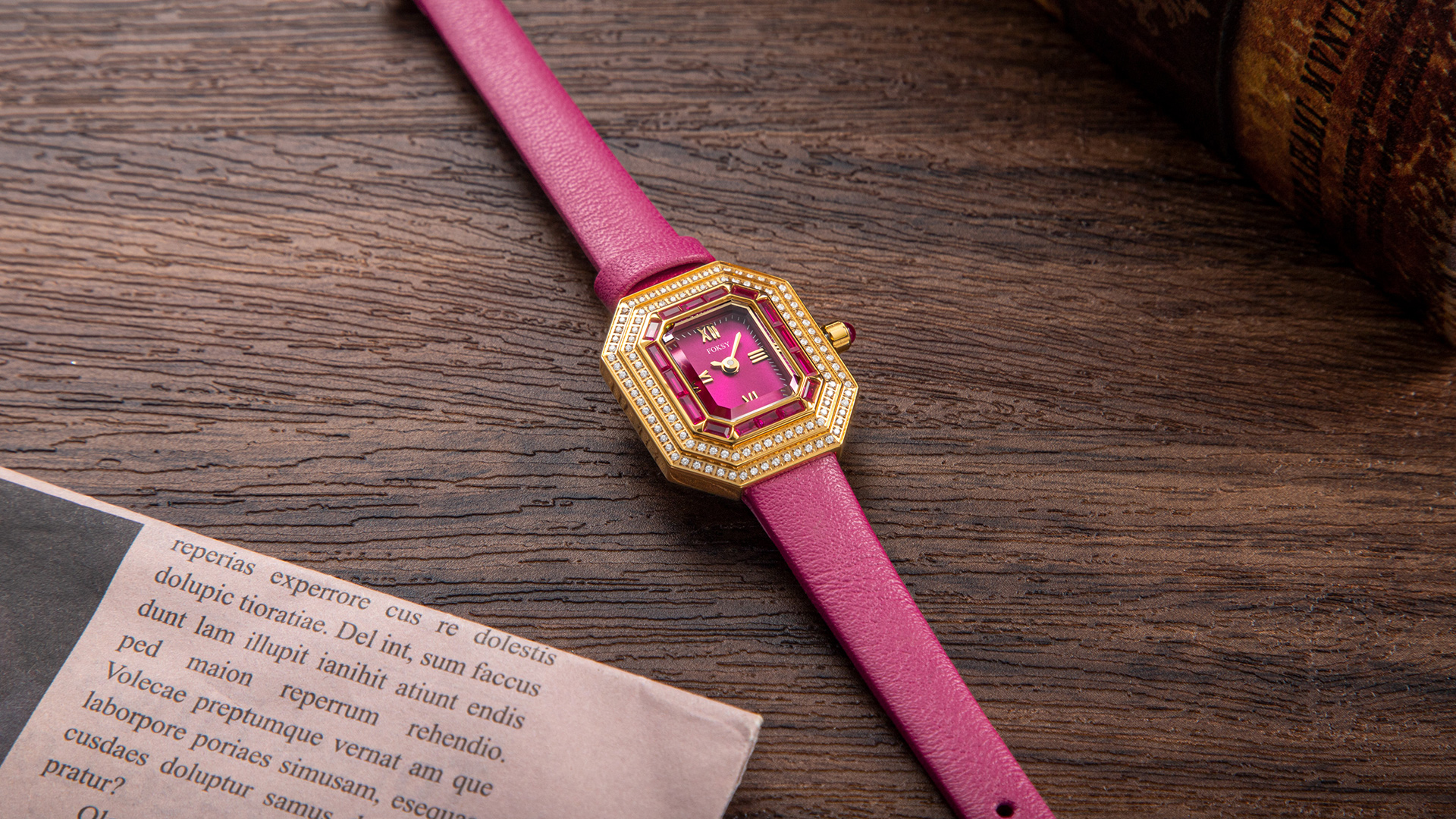
2. Who wears it? (Who) - Personal style
* A watch is a personal accessory and must match your **personality, age, and everyday style**.
* Classic and elegant: Choose a round, minimalist dial with a leather or metal strap.
* Fashion-forward: Consider brands with bold designs (such as DW, Cartier Ballon Bleu), unconventional dials, or colorful straps.
* Sporty and Energetic: Dive watches or chronographs are excellent choices.
Part Two: Key Parameters and Selection Criteria for the Watch Itself
After clarifying the above questions, you can begin focusing on the product itself.
1. Movement - The Heart of the Watch
Advantages: Extremely accurate timekeeping (monthly error of ±15 seconds), affordable, durable, and maintenance-free (only requires battery replacement).
Disadvantages: Lack of mechanical aesthetics, requires regular battery replacement.
Suitable for: Those seeking precision, convenience, and a limited budget.
Mechanical Movement:
Advantages: Features complex craftsmanship and mechanical aesthetics, has collectible and aesthetic value, does not require a battery (winds automatically via arm movement while worn or manually wound).
Disadvantages: Has errors (daily error of ±a few seconds to several dozen seconds), expensive, requires regular maintenance (every 3-5 years, at significant cost), susceptible to magnetism and shocks.
Classification:
Automatic Mechanical: Automatically winds via the wearer's movement, the most common type.
Hand-Winding Mechanical: Requires manual winding by rotating the crown daily or every few days, offering a more ritualistic experience.
2. Materials
Case:
Stainless Steel: The most common material, durable, corrosion-resistant, and cost-effective.
Ceramic: Lightweight, scratch-resistant, and skin-friendly, but brittle and prone to breakage.
Titanium: Lighter than steel, corrosion-resistant, and hypoallergenic, but more expensive.
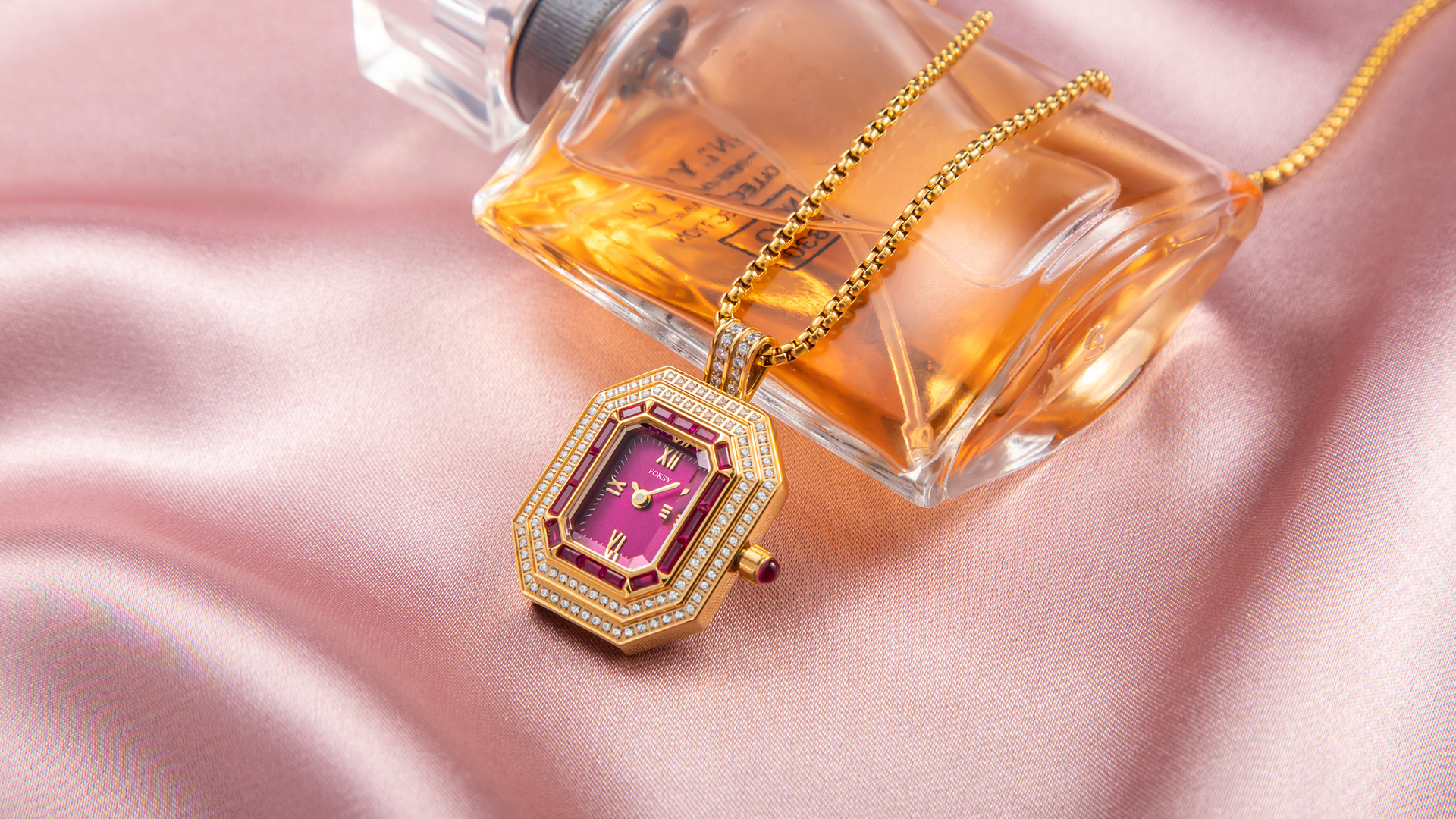
Precious Metals: Gold, rose gold, platinum, etc., high-value and luxurious, but soft and prone to scratches.
Crystal:
Mineral Glass: Ordinary, prone to scratches.
Sapphire crystal: Extremely hard, second only to diamond, highly scratch-resistant, standard for mid-to-high-end watches.
Watch straps:
Metal bracelet: Durable, classic, suitable for sports and formal occasions.
Leather strap: Elegant, comfortable, more suitable for formal and casual wear, but water-sensitive and prone to wear.
Rubber/nylon strap: Sporty, youthful, waterproof, suitable for sports watches.

3. Functions (Complications) - Additional features beyond time display
Basic functions: Date display is the most practical feature.
Complex functions: Chronograph (stopwatch), moon phase, world time, perpetual calendar, etc. The more functions, the higher the price and the more complex the structure.
4. Size and Style
Size: The watch diameter must be tried on! Generally recommended:
Wrist circumference < 15cm: Choose a diameter of 34-38mm
Wrist circumference 15-17cm: Choose a diameter of 38-42mm
Wrist circumference > 17cm: Choose a diameter of 42-46mm
Thickness: Dress watches should be thin, while sports watches can be thicker.
Style: Dial color (black, white, and blue are the most classic), hour marker style, and hand design, all depend on personal preference.
We hope this detailed guide is helpful to you. Foksy Company is a professional manufacturer of customized watches with 19 years of experience. Specializing in watch customization, with a minimum order of 50 pieces, we welcome you to consult us and create your own brand.


Focus On Customize Watches
For Micro Brands
Room C201, Huafeng Wisdom Innovate Park, Gushu 2nd Road, Bao'an Dist, Shenzhen, China.