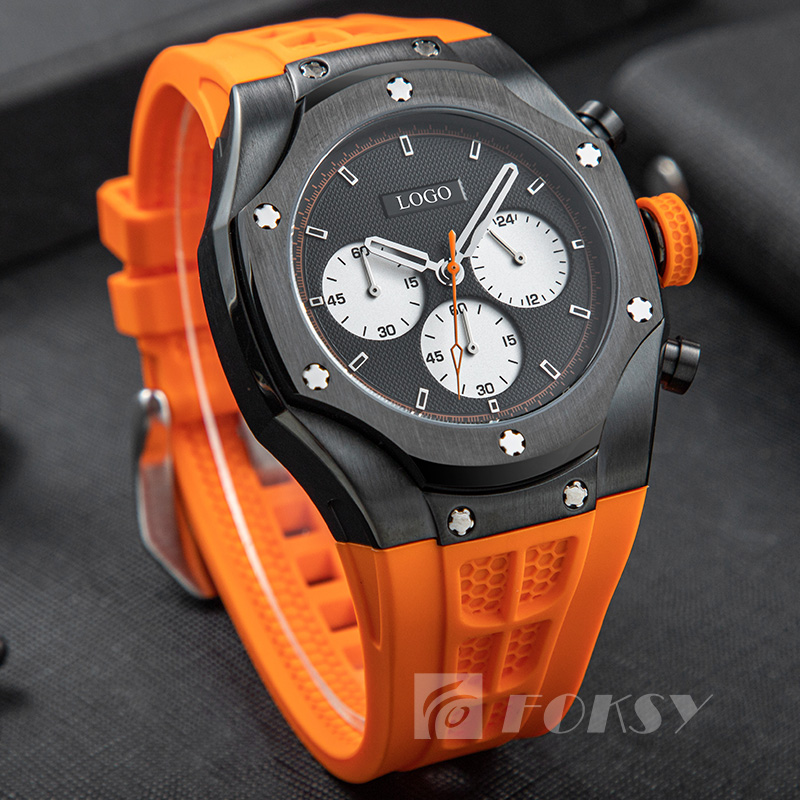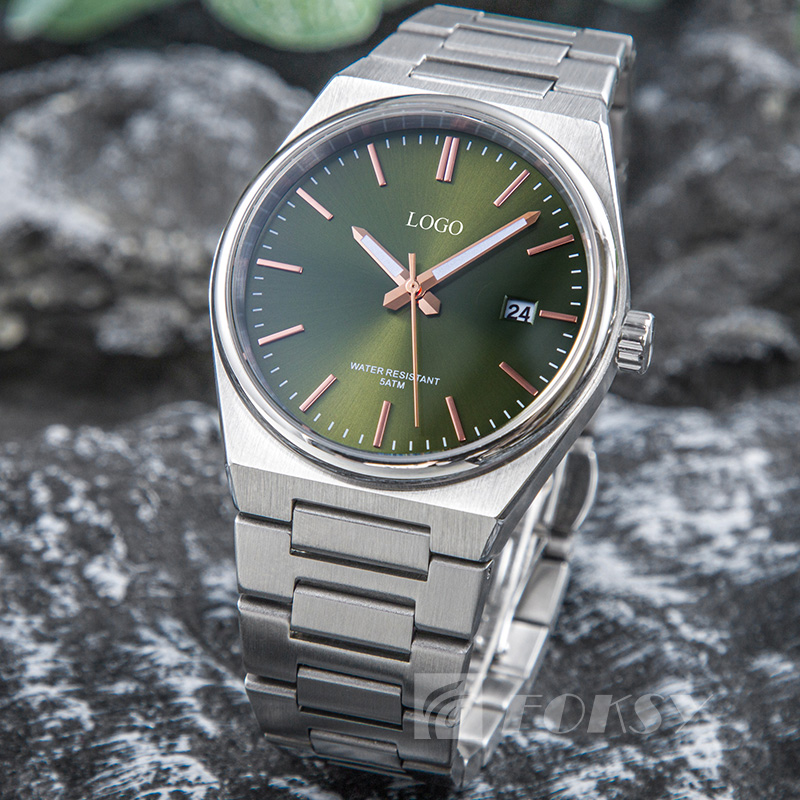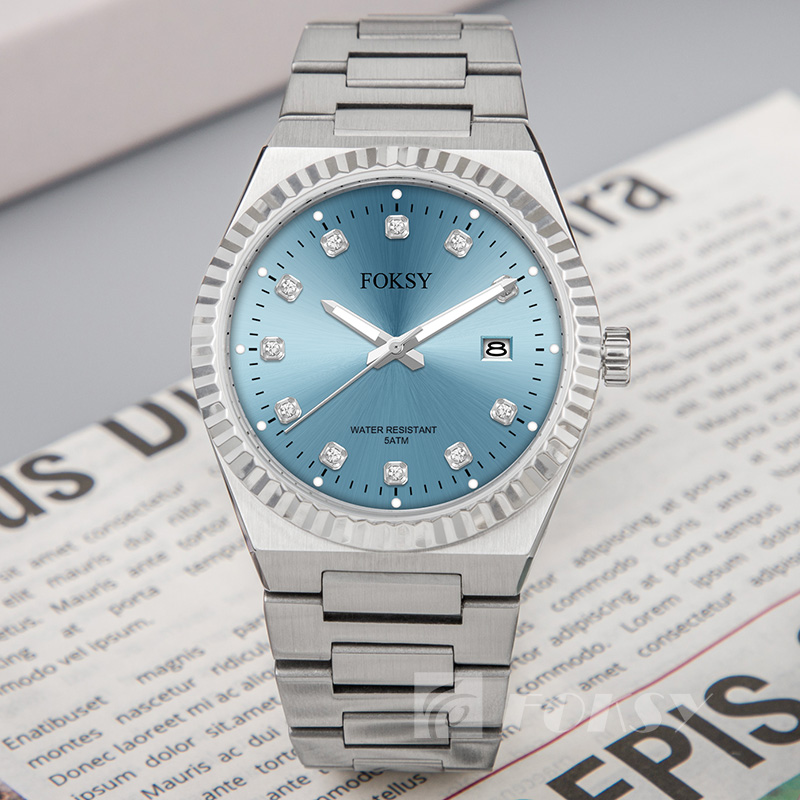
Global Microbrand Watch Manufacturer

 Foksy Watches
  2026-08-20


When many people start a watch brand for the first time, they will often ask this question: How many units should be produced in the first batch?
500 units, 1,000 units, or a much larger order?
But for people who have just started their own business, what really matters may not be how big the order is, but whether they can use a lower cost to put their product ideas into the market to verify.
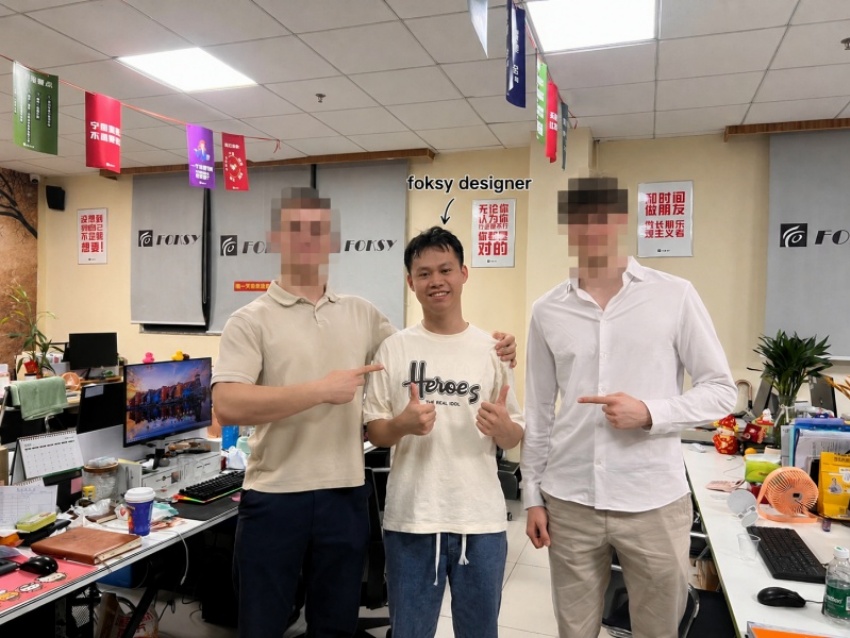
The following story comes from two young European entrepreneurs. When they first approached FOKSY, one was 16 years old and the other was 20 years old. There was no established team, no large amount of money, only a very simple goal: to be a truly own watch brand.
Initially, like many entrepreneurs, they searched for Chinese watch suppliers through the Alibaba platform.
They contacted dozens of factories to compare prices, MOQ, product selection, response speed, and development capabilities.
Finally, they chose FOKSY.
The reason is not a single parameter, but when both parties communicate, FOKSY can understand the real problem they are facing at the time.
The budget is limited, the brand is unproven and you don't want the first products to look like regular wholesale.
So instead of running down hundreds or thousands of stocks at a time, they chose to do a small test first.
The first batch: 50 units.
For a newly started watch microbrand, this number is not large, but it can reduce the inventory pressure in the early stage of entrepreneurship and also leave room for the brand to adjust.
They can first observe what consumers really like, and then decide how to proceed next.
The result was faster than expected.
After the 50 products were launched, they were sold out quickly.
At this point, their questions also changed.
Previously, they thought:
"Is there anyone willing to buy?"
Now they start to consider:
"If the growth continues, can the supply chain keep up?"
In October 2025, these two entrepreneurs made their first visit to Shenzhen.
The customers entered the factory and observed the entire process from production to shipment on-site.
Focus on assembly, quality inspection, mechanical measurement testing, trial production processes in the factory. Understand the manufacturing details clearly throughout the factory manufacturing process.
For young brands, these details are often easily overlooked.
On the day of the visit, both parties also had a long discussion about the next stage of product design until 1 a.m.
At that time, this was no longer just an ordinary procurement communication.
They began to discuss: How should this brand grow next.
Many people understand suppliers as those responsible for producing the orders.
But for a growing watch microbrand, the role of suppliers is far more than that.
Product development, sample adjustments, quality control, packaging, replenishment, and subsequent new products can all affect the brand's development speed.
Especially when the order increases from dozens to hundreds or thousands, what entrepreneurs need most is not to stare at the production schedule every day.
They need to leave time for the market.
Do content, serve customers, advertise, run websites, research consumers, and constantly improve brand positioning.
This is also the value that a good watch microbrand supplier should bring: allowing entrepreneurs to focus more on the brand itself rather than being led around by supply chain issues.
Less than a year later, these two entrepreneurs came to FOKSY again.
They tested 50 watch samples provided by FOKSY.
By July 2026, they were buying 10,000 watches a month.
From 50 to 10,000, what has changed is not only the number of orders, but more importantly, they have completed the transformation from verifying the product to building the brand.
Brand growth requires not only high-quality design and products of factories, but also the entrepreneurs themselves.
Entrepreneurs themselves continue to learn and grow, suppliers provide stable products and supply chains, but the ultimate success of the brand still depends on whether the market is willing to pay for it.
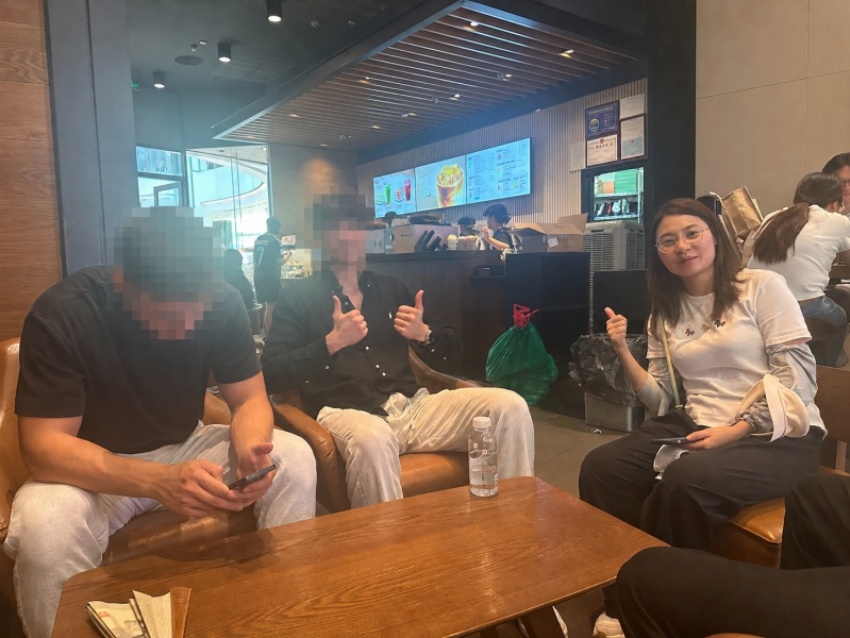
The significance of this story for other entrepreneurs may not be "50 can become 10,000".
Because every market is different, and not every brand will experience the same rate of growth.
What is truly worth thinking about is: can the supplier match the brand's current stage?
In the beginning, you can choose a mature product, test in small batches, and leave more budget to the market.
When sales gradually stabilize, then add differentiation development such as dial design, material, structure, packaging, etc.
And other brands into the scale stage, the focus will become quality consistency, production efficiency, replenishment capacity and new product development.
That is to say, the supply chain should not remain unchanged.
The cooperation method between the brand and the supplier should also be upgraded accordingly.
For entrepreneurs who have just entered the market, the most dangerous thing may not be the first batch that doesn't sell.
Sometimes, the bigger problem is investing too much inventory before verifying the market.
Therefore, if a brand has a limited budget, it can start with mature styles and small batches, and adjust the dial, Logo, color, strap and packaging according to the target market.
If the product gains market recognition, then gradually enter OEM development to make the product truly have its own recognition.
This is also a kind of idea that FOKSY pays attention to when serving overseas micro watch brands, DTC brands and Shopify brands:
First, verify, then grow; first make the product good, then expand the scale.
The story of these two young people has not ended.
From 16 and 20 years old, to later monthly purchasing 10,000 watches, they proved a very simple thing:
A brand can start with a very small order, but it cannot always remain in the "small order thinking".
What is truly worth long-term operation is the product, customers, brand, and the supply chain that can support growth.
For FOKSY, the most valuable thing is not how many watches have been produced, but when a brand has only 50 products, it has already started to participate in its future growth.
There is no uniform answer. If the brand has not yet been tested in the market, small-scale testing is usually easier to control inventory risks. The specific quantity can be determined according to the budget, sales channels and target market.
In addition to price and MOQ, one should also consider the speed of sample production, quality control, OEM development capabilities, communication efficiency, and future mass production capabilities. It is better for suppliers to upgrade their cooperation methods as brand orders grow.
Not necessarily. In the early stage, you can use mature designs for small-scale testing to verify market demand. After that, gradually invest in original designs and OEM development. This usually makes it easier to control the financial pressure in the early stage of entrepreneurship.


Focus On Customize Watches
For Micro Brands
Room C201, Huafeng Wisdom Innovate Park, Gushu 2nd Road, Bao'an Dist, Shenzhen, China.